How Pickleball Courts Are Built — And Why The Base Matters
Not All Pickleball Courts Are Built The Same
A pickleball court may look simple on the surface, but its long-term performance is determined by what lies beneath.
Issues like cracking, poor drainage, and inconsistent ball response are almost always caused by improper base construction — not the surface itself.
At Premier Turf & Greens, we build courts using a layered construction system engineered for performance, drainage, and long-term durability, specifically designed for Wisconsin conditions.
👉 The difference between a basic court and a high-performance court starts from the ground up.
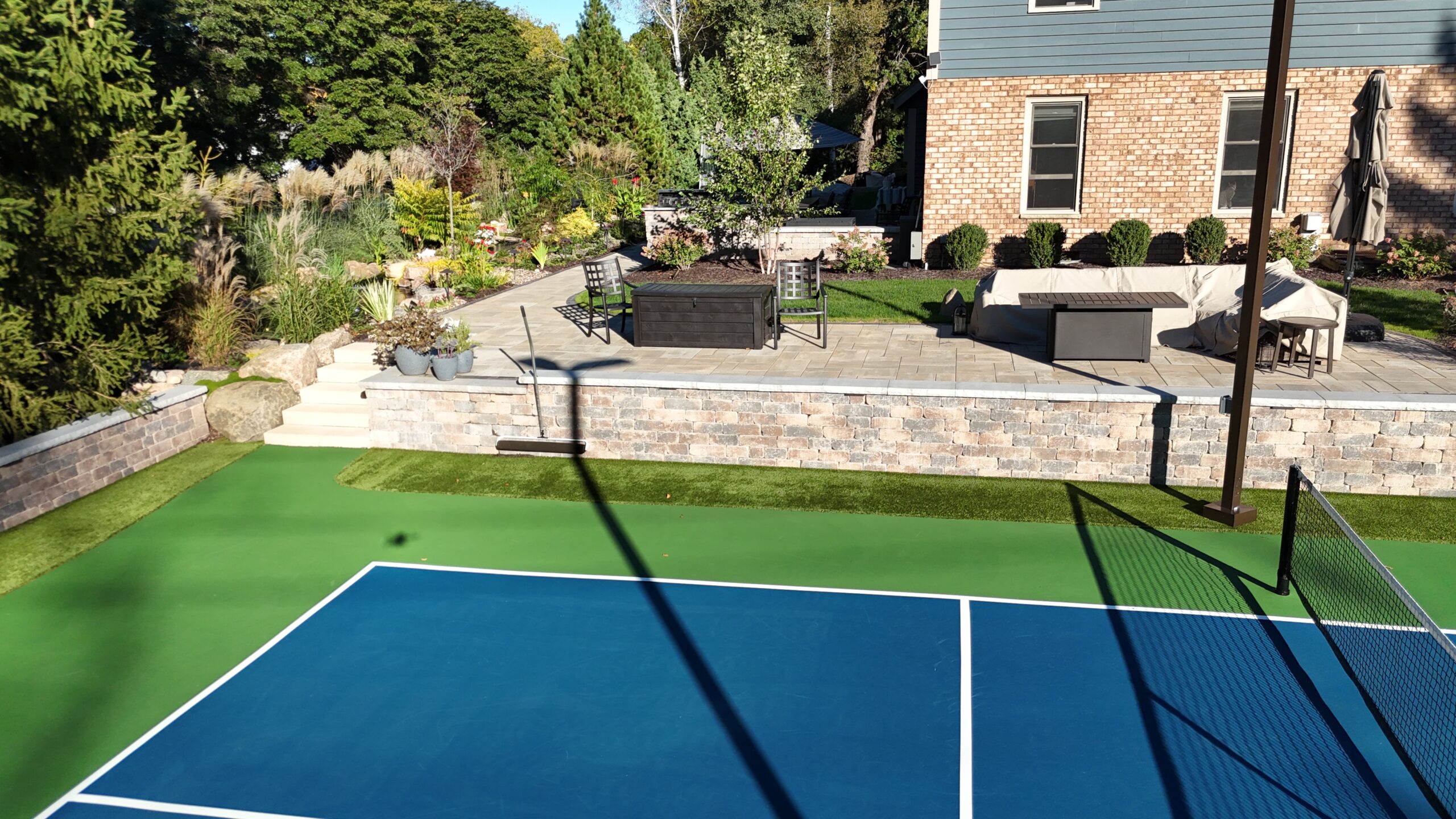
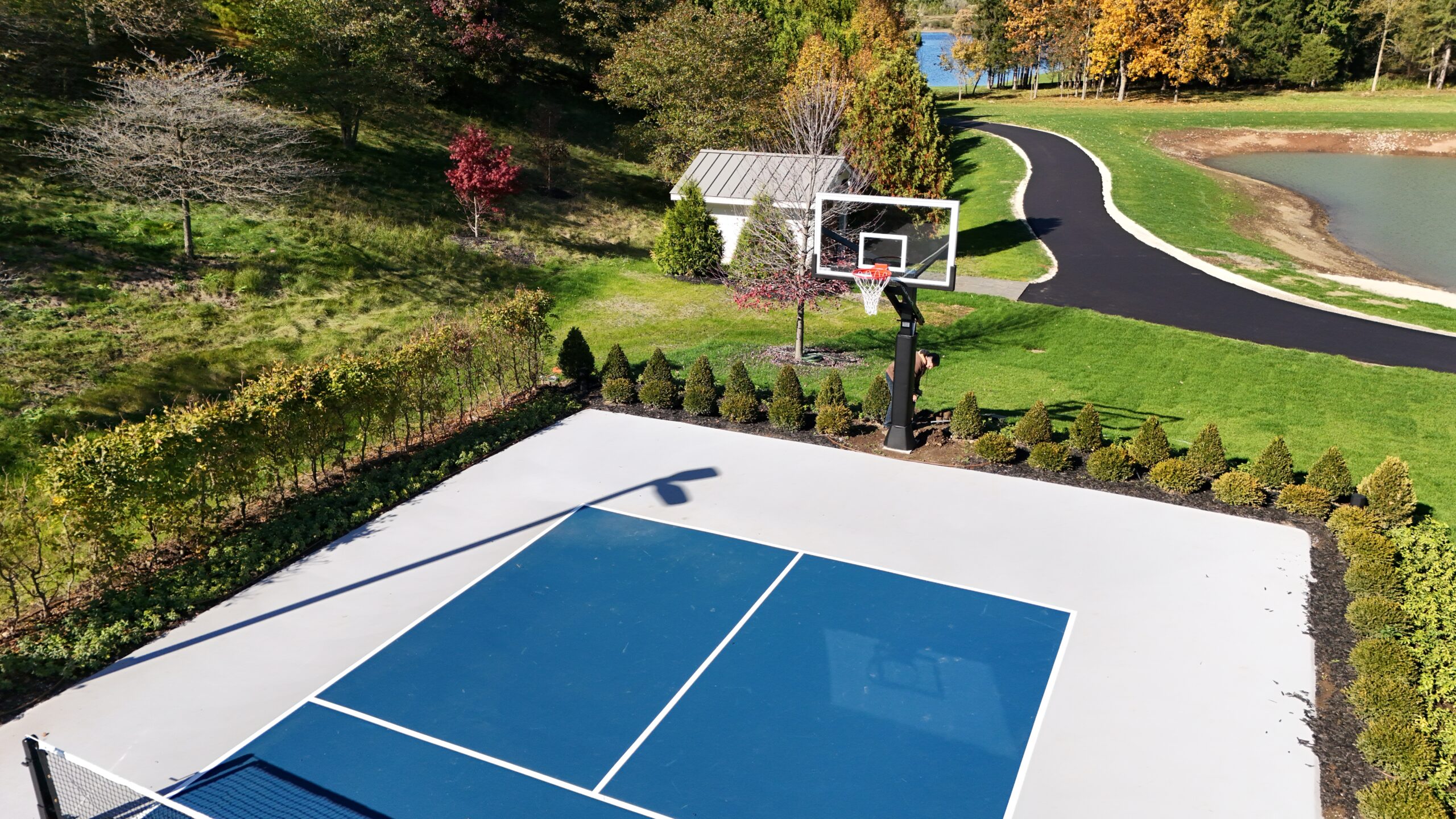
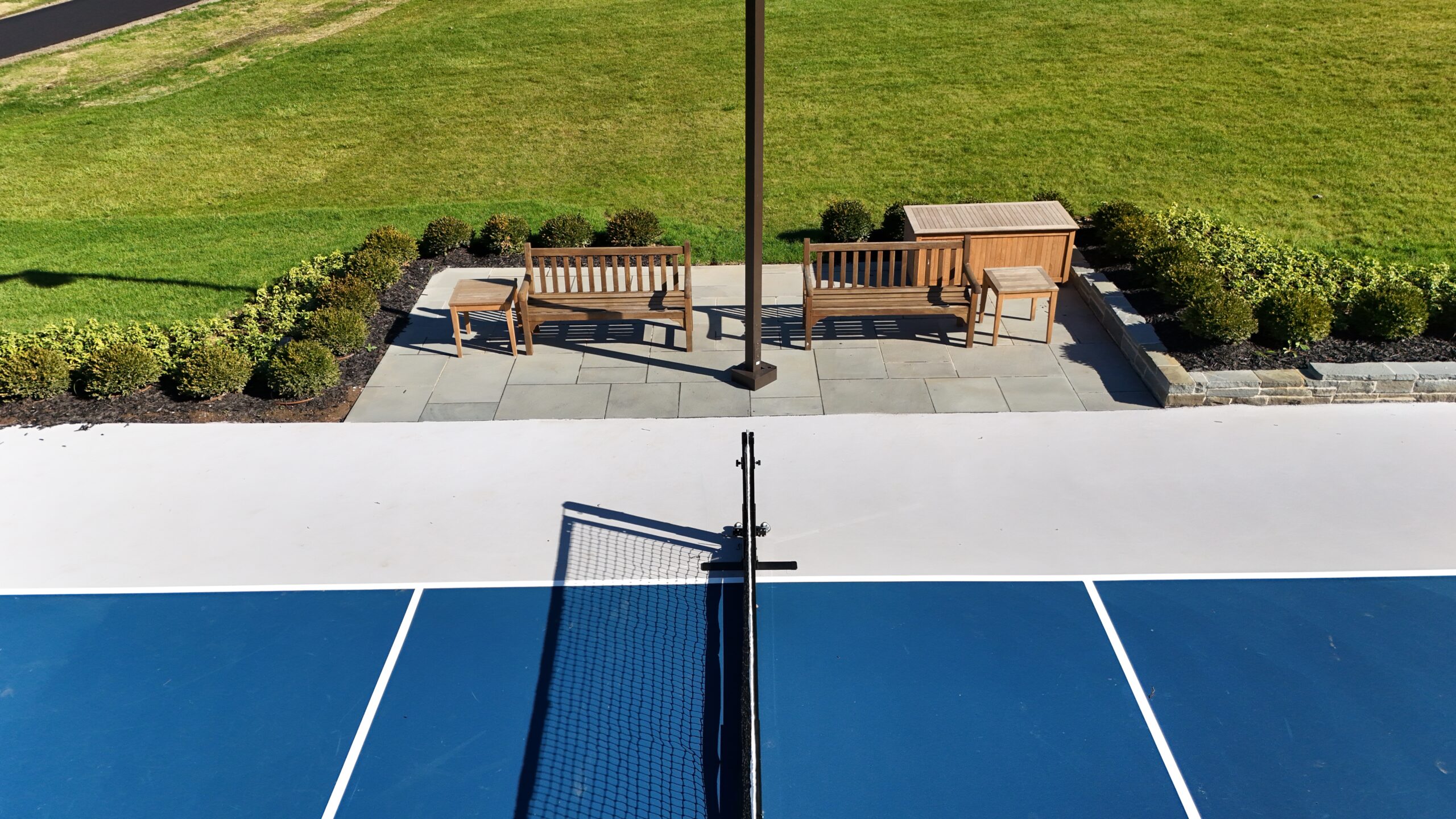
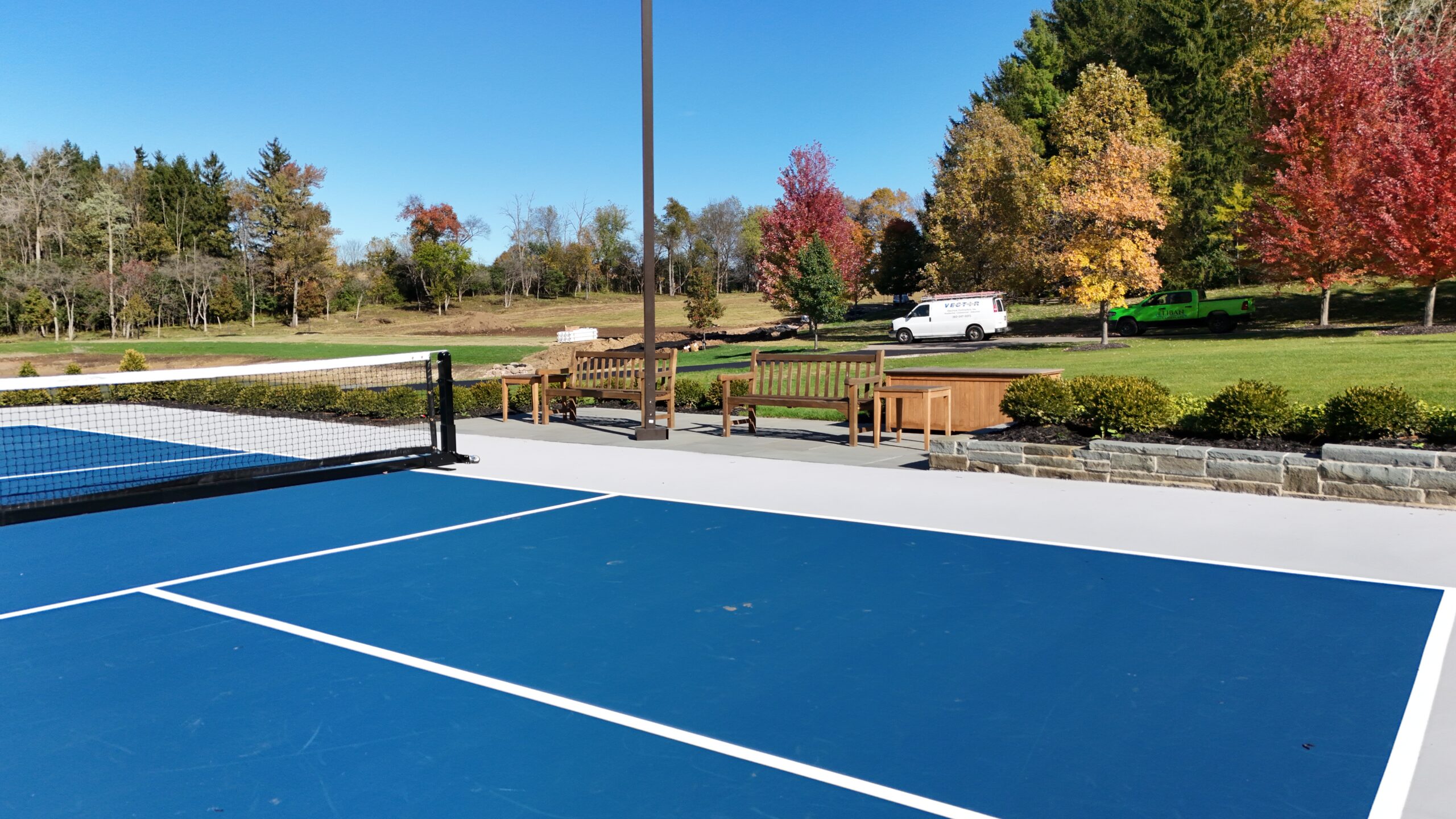
See how this applies to a full luxury pickleball court installation.
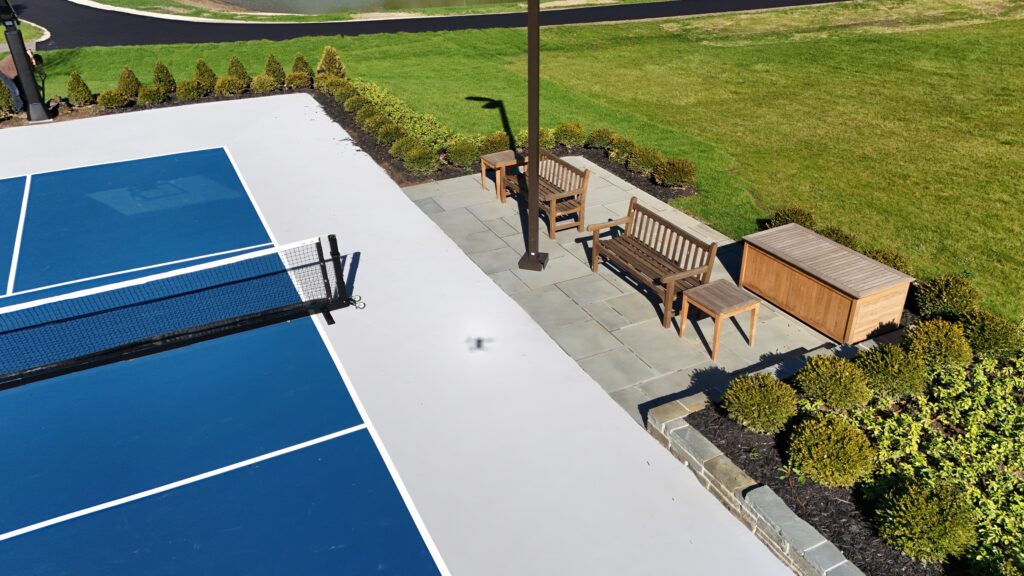
OFFICIAL COURT STANDARDS
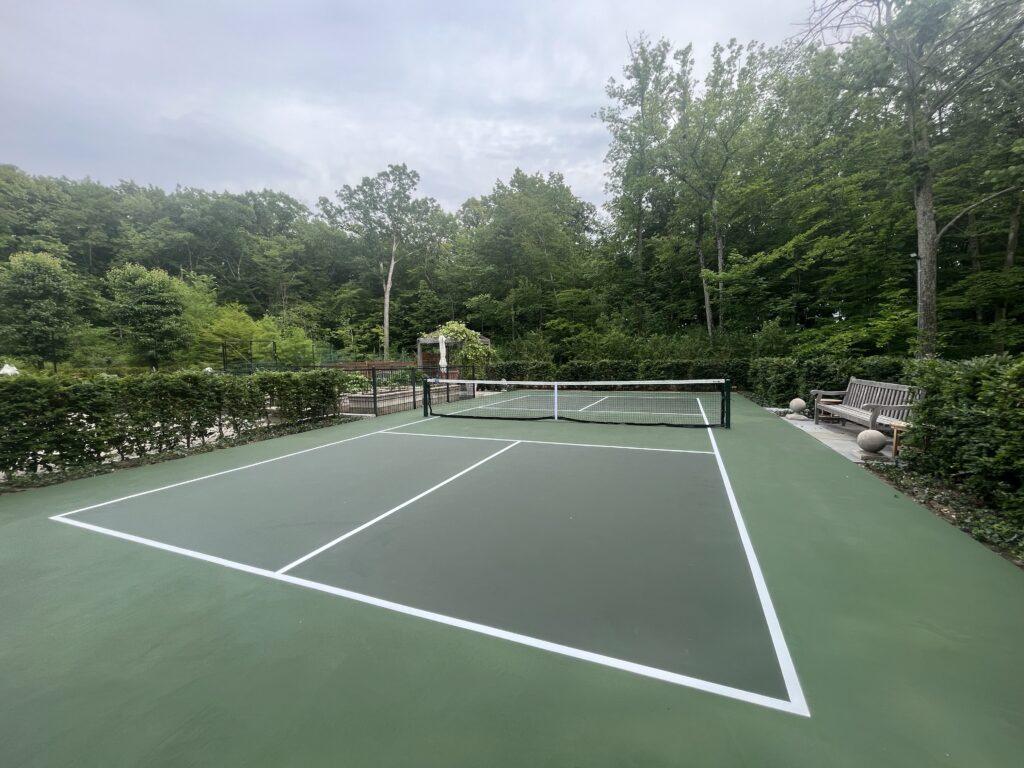
Built To Meet And Exceed USA Pickleball Guidelines
Pickleball court design follows standards established by USA Pickleball.
A regulation court includes:
- 20 feet wide by 44 feet long playing area
- Recommended total play area of 30 feet by 60 feet minimum
- Additional space for comfort, safety, and high stakes playability in high-end builds
Court Orientation
Whenever possible, courts are oriented north to south.
- reduces sun glare
- improves visibility
- creates a better playing experience
👉 While dimensions are standardized, construction quality is not — and that is where performance is determined.
FULL BASE SYSTEM
What’s Below Your Pickleball Court Matters
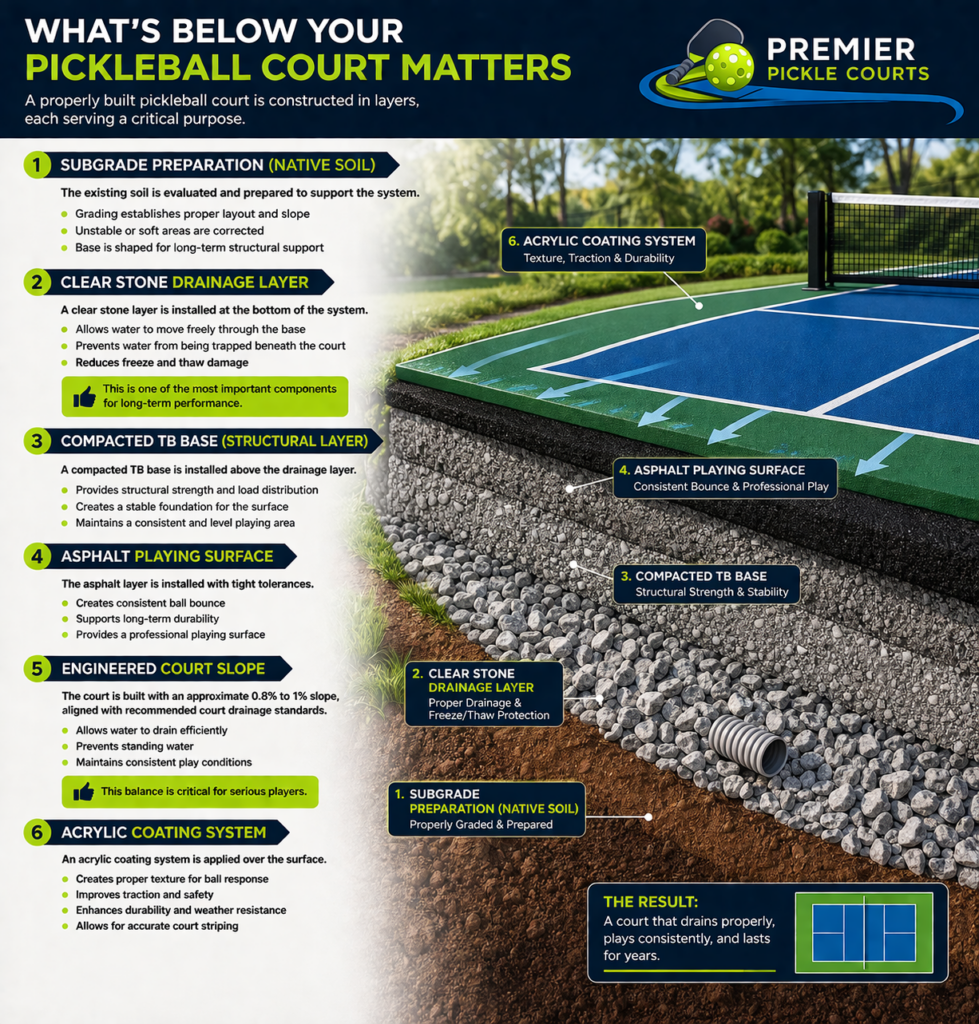
A properly built pickleball court is constructed in layers, each serving a critical purpose.
1. Subgrade Preparation (Native Soil)
The existing soil is evaluated and prepared to support the system.
- grading establishes proper layout and slope
- unstable or soft areas are corrected
- base is shaped for long-term structural support
2. Clear Stone Drainage Layer
A clear stone layer is installed at the bottom of the system.
- allows water to move freely through the base
- prevents water from being trapped beneath the court
- reduces freeze and thaw damage
👉 This is one of the most important components for long-term performance
3. Compacted TB Base (Structural Layer)
A compacted TB base is installed above the drainage layer.
- provides structural strength and load distribution
- creates a stable foundation for the surface
- maintains a consistent and level playing area
4. Asphalt Playing Surface
The asphalt layer is installed with tight tolerances.
- creates consistent ball bounce
- supports long-term durability
- provides a professional playing surface
5. Engineered Court Slope
The court is built with an approximate 0.8% to 1% slope, aligned with recommended court drainage standards.
- allows water to drain efficiently
- prevents standing water
- maintains consistent play conditions
👉 This balance is critical for serious players
6. Acrylic Coating System
An acrylic coating system is applied over the surface.
- creates proper texture for ball response
- improves traction and safety
- enhances durability and weather resistance
- allows for accurate court striping
WHY COURTS FAIL
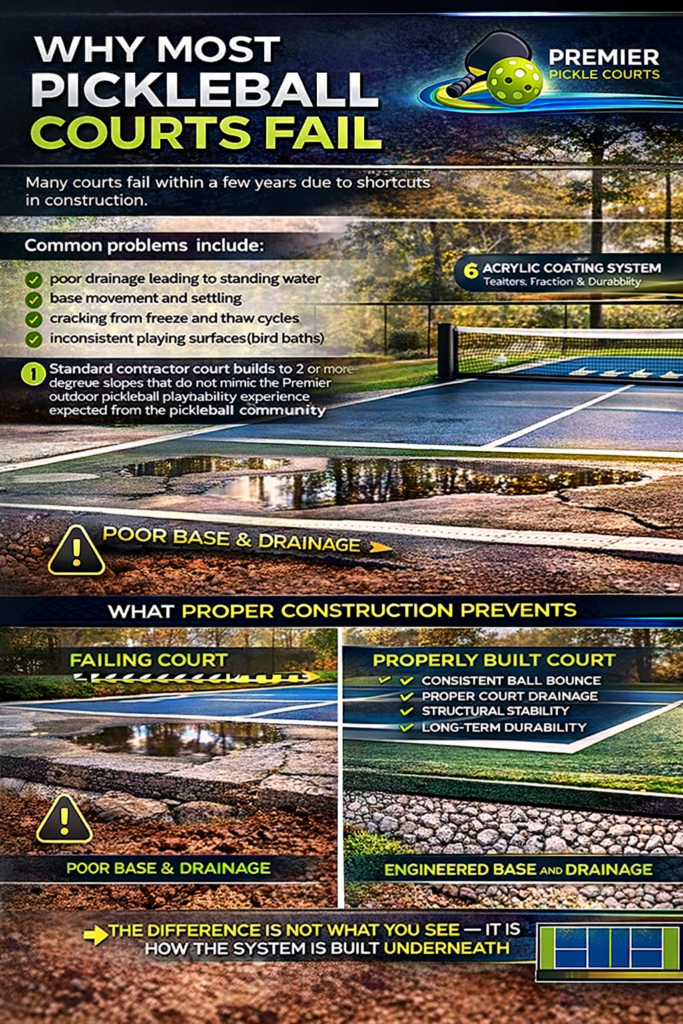
Why Most Pickleball Courts Fail
Many courts fail within a few years due to shortcuts in construction.
Common problems include:
- poor drainage leading to standing water
- base movement and settling
- cracking from freeze and thaw cycles
- inconsistent playing surfaces (bird baths)
- Standard contractor court builds to 2 or more-degree slopes that do not mimic the Premier outdoor pickle ball playability experience expected from the pickleball community
What Proper Construction Prevents
A properly built system delivers:
- consistent ball performance
- reliable drainage
- structural stability
- long-term durability
👉 The difference is not what you see — it is how the system is built underneath
BUILT FOR WISCONSIN
Designed For Southeast Wisconsin Conditions
Courts in this region must handle:
- freeze and thaw cycles
- heavy rain and seasonal moisture
- varying soil types
- long winters
This requires:
- proper drainage layers
- stable base construction
- correct slope engineering
👉 Without this, even a new court can fail prematurely
SURFACE OPTIONS
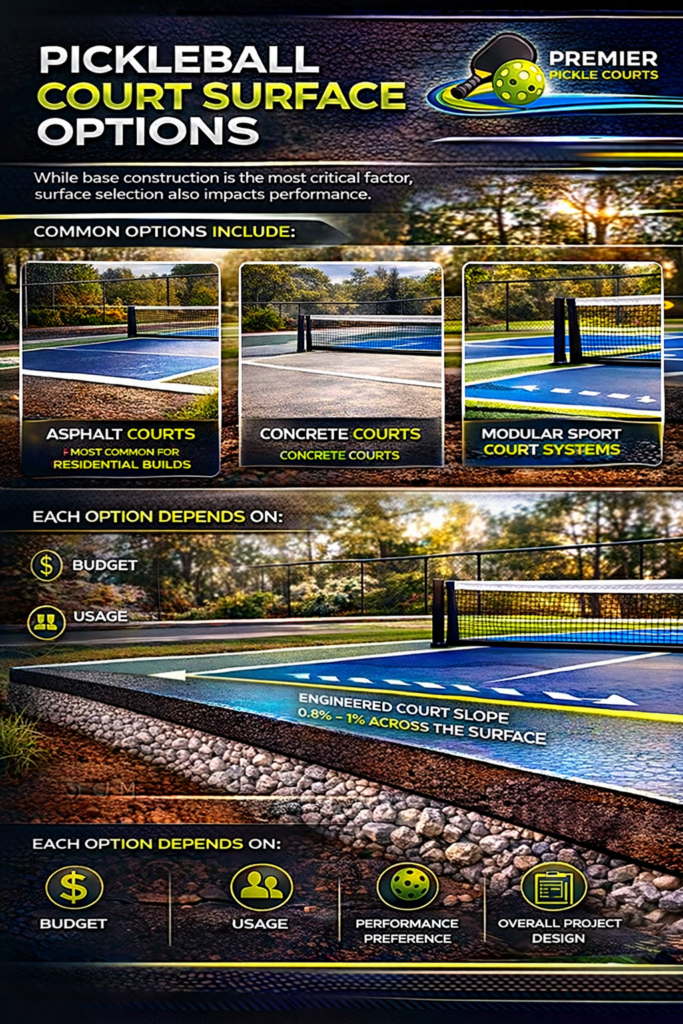
Pickleball Court Surface Options
While base construction is the most critical factor, surface selection also impacts performance.
Common options include:
- Asphalt courts (most common for residential builds)
- Concrete courts
- Modular sport court systems
Each option depends on:
- budget
- usage
- performance preference
- overall project design
Surface performance also depends on material selection, which we break down in our pickleball court surface options guide.
LUXURY BUILDS REQUIRE MORE
Construction Is Even More Critical In Luxury Projects
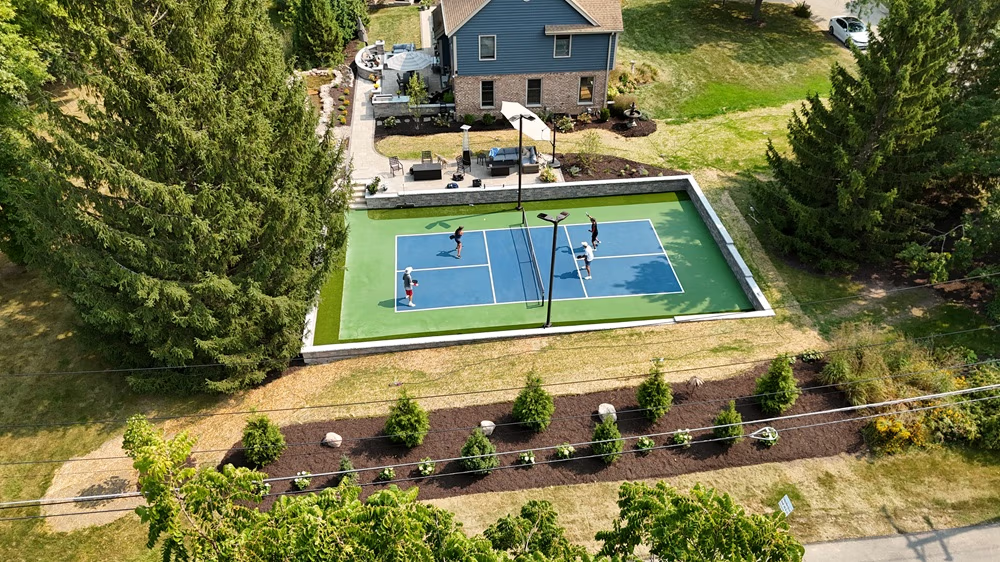
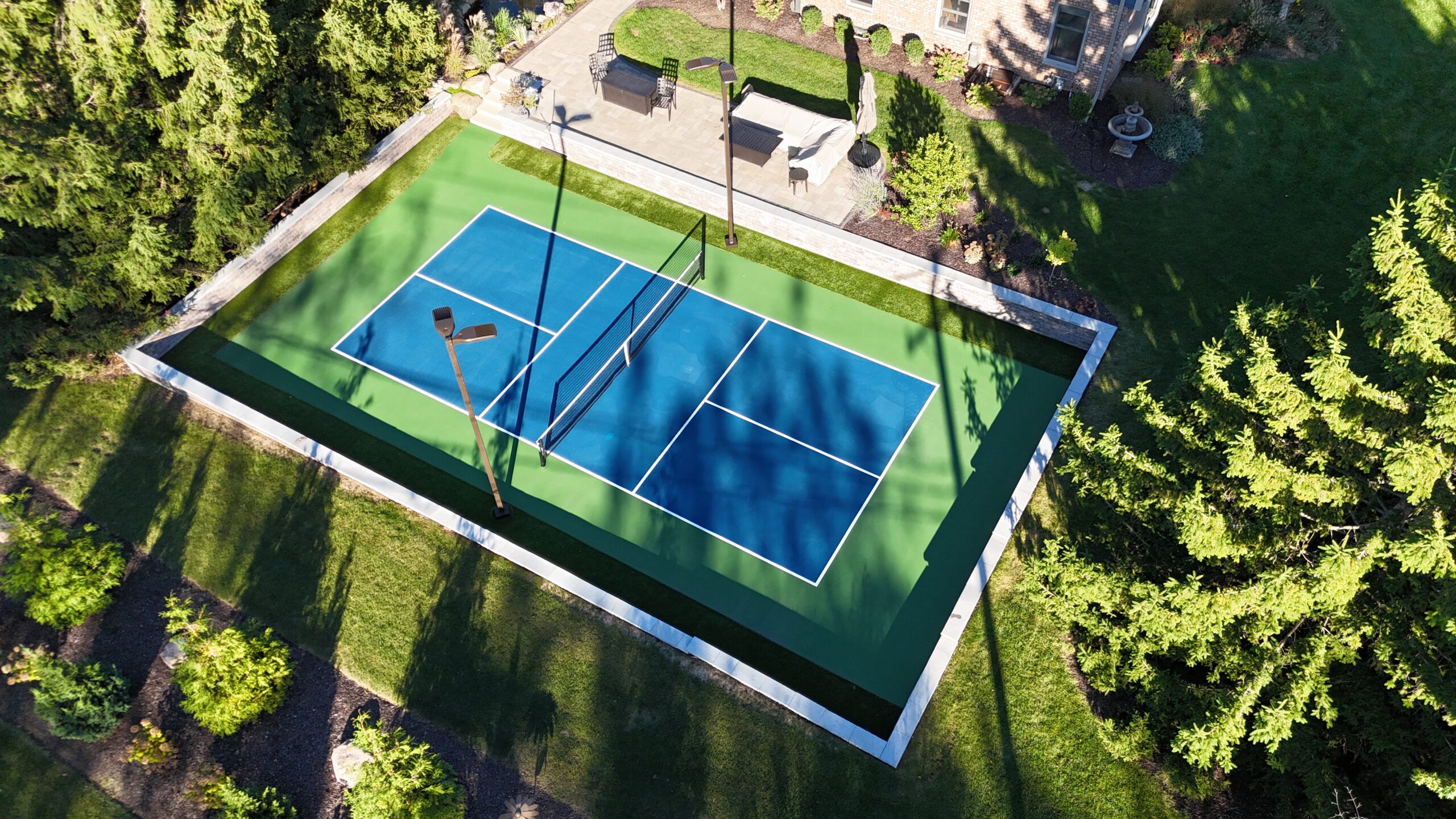
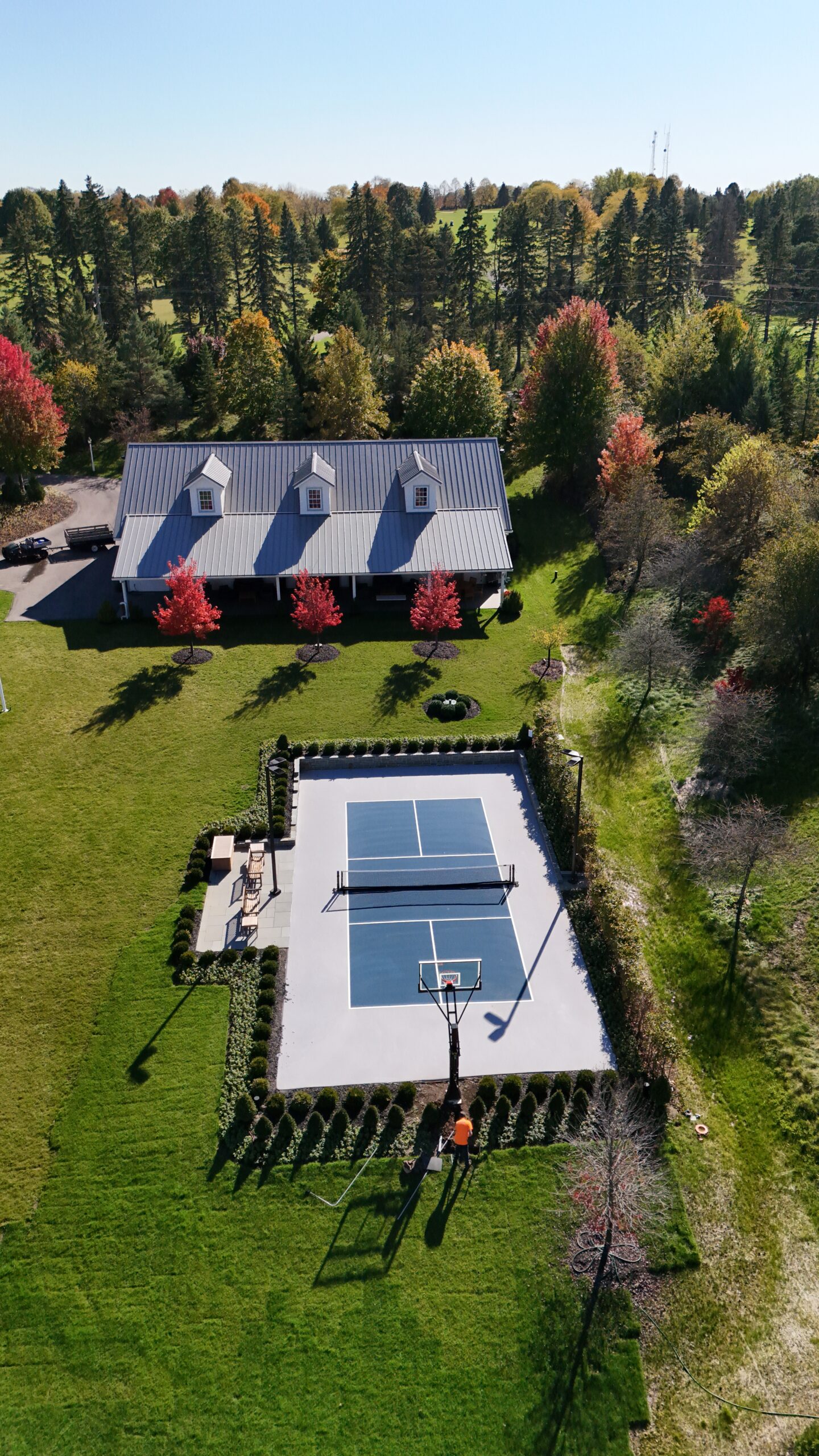
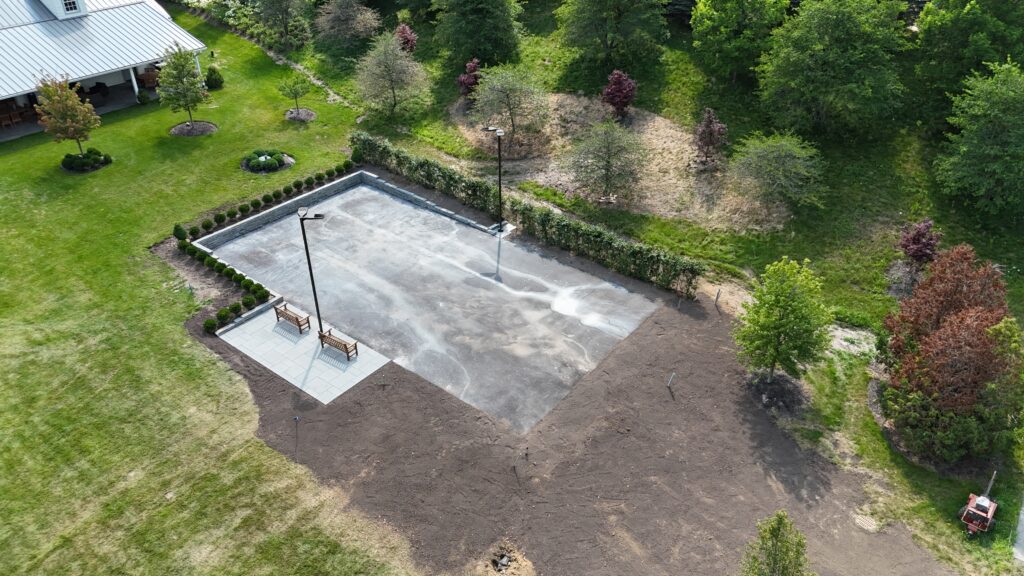
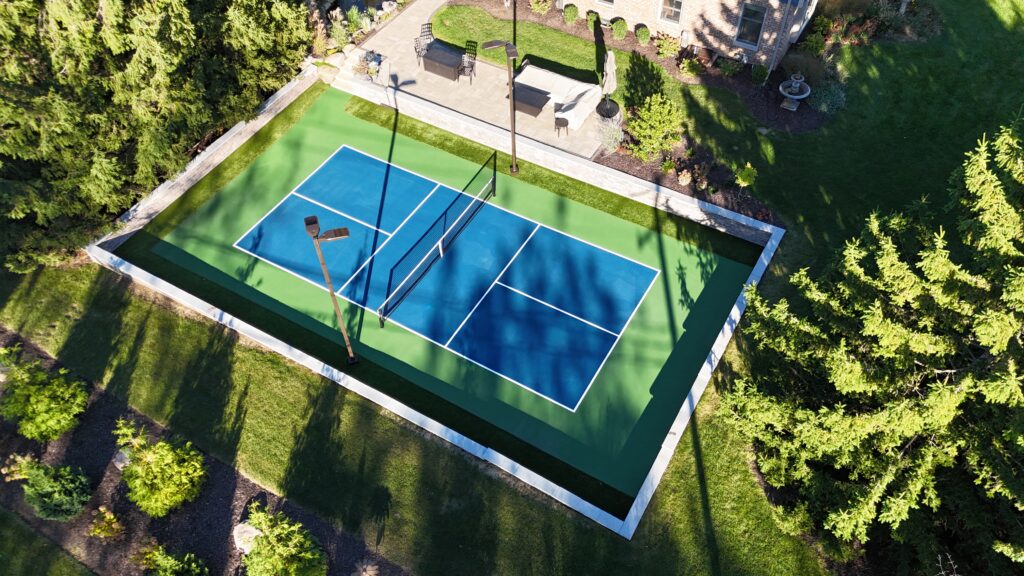
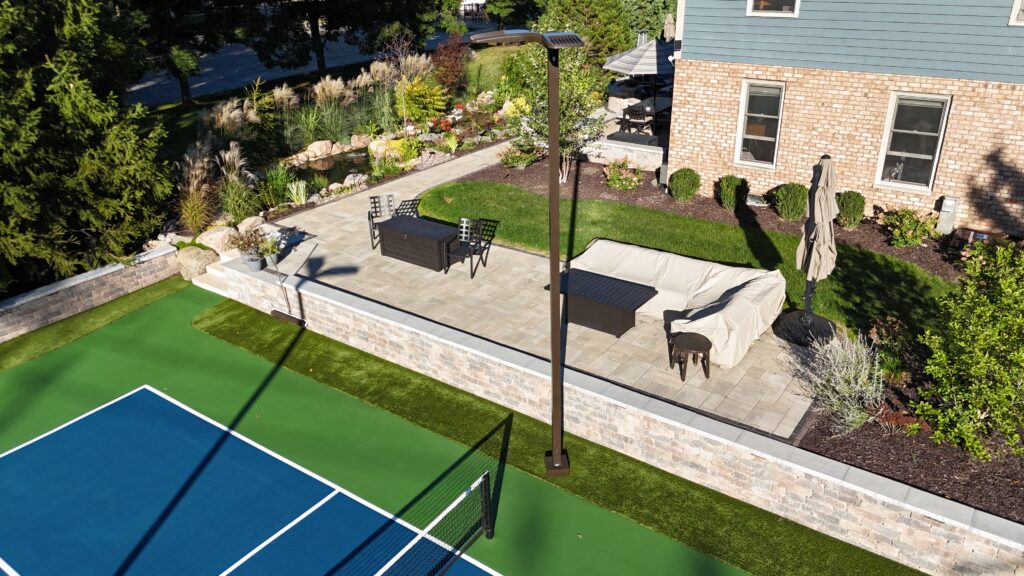
In high-end residential builds, the court is often part of a larger outdoor environment.
These projects may include:
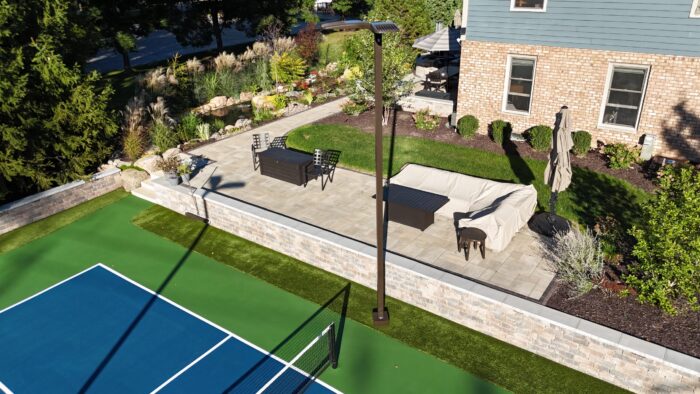
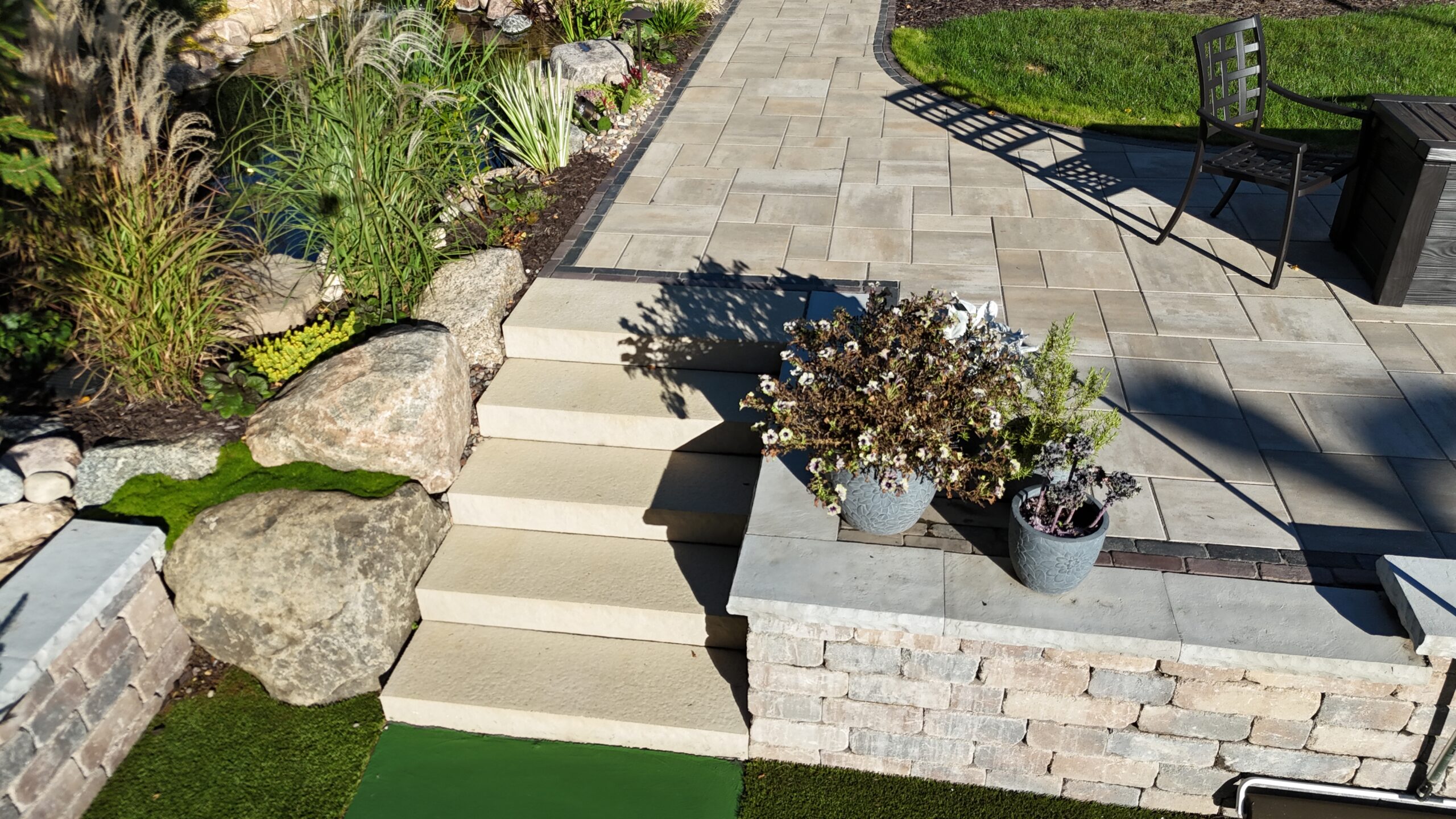
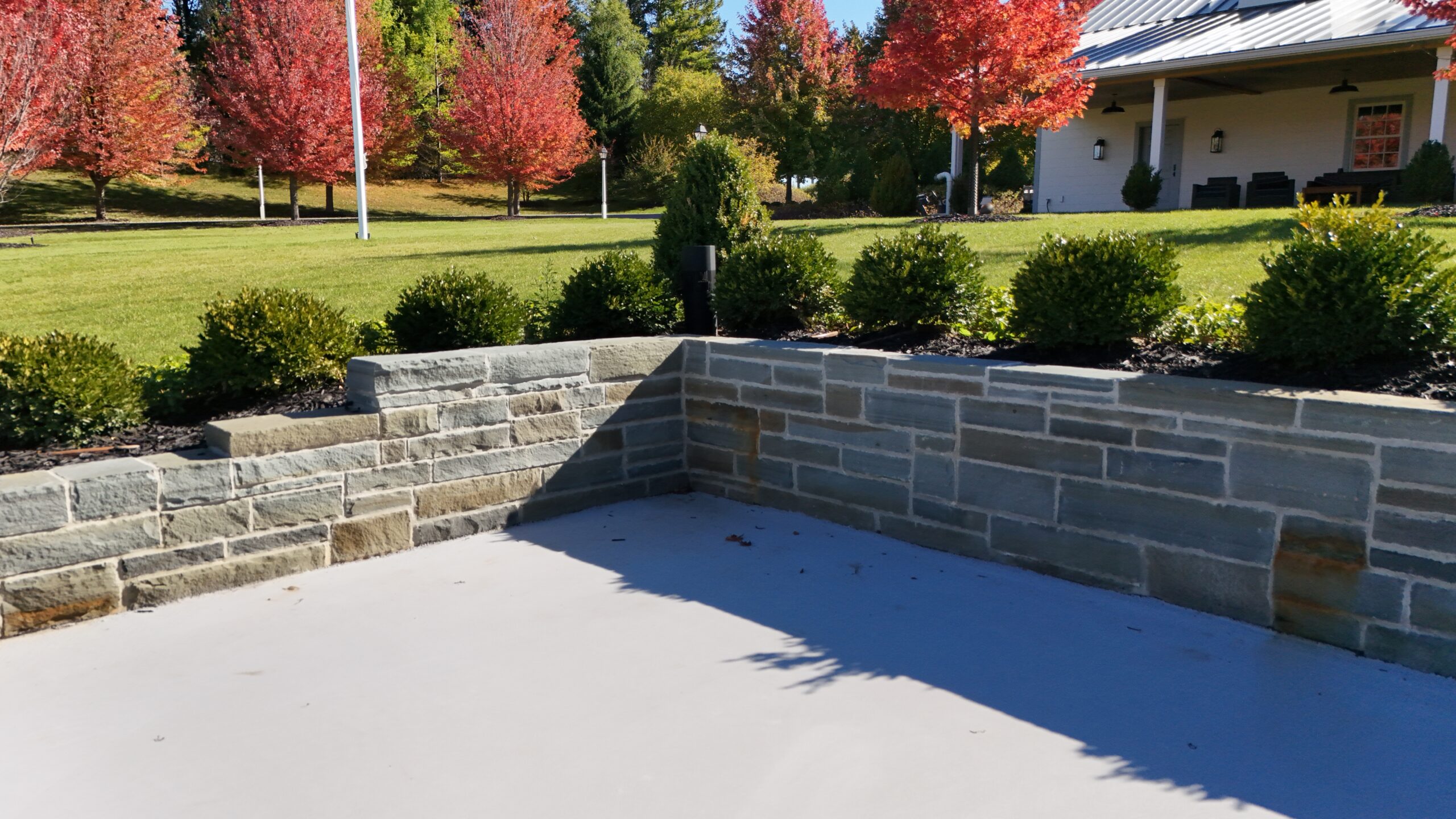
- retaining walls
- elevated or tiered layouts
- complex grading
- integrated patios and outdoor living spaces
👉 These require advanced planning, precision construction, and structural integrity
A luxury court must:
- perform at a high level
- support surrounding features
- remain stable over time
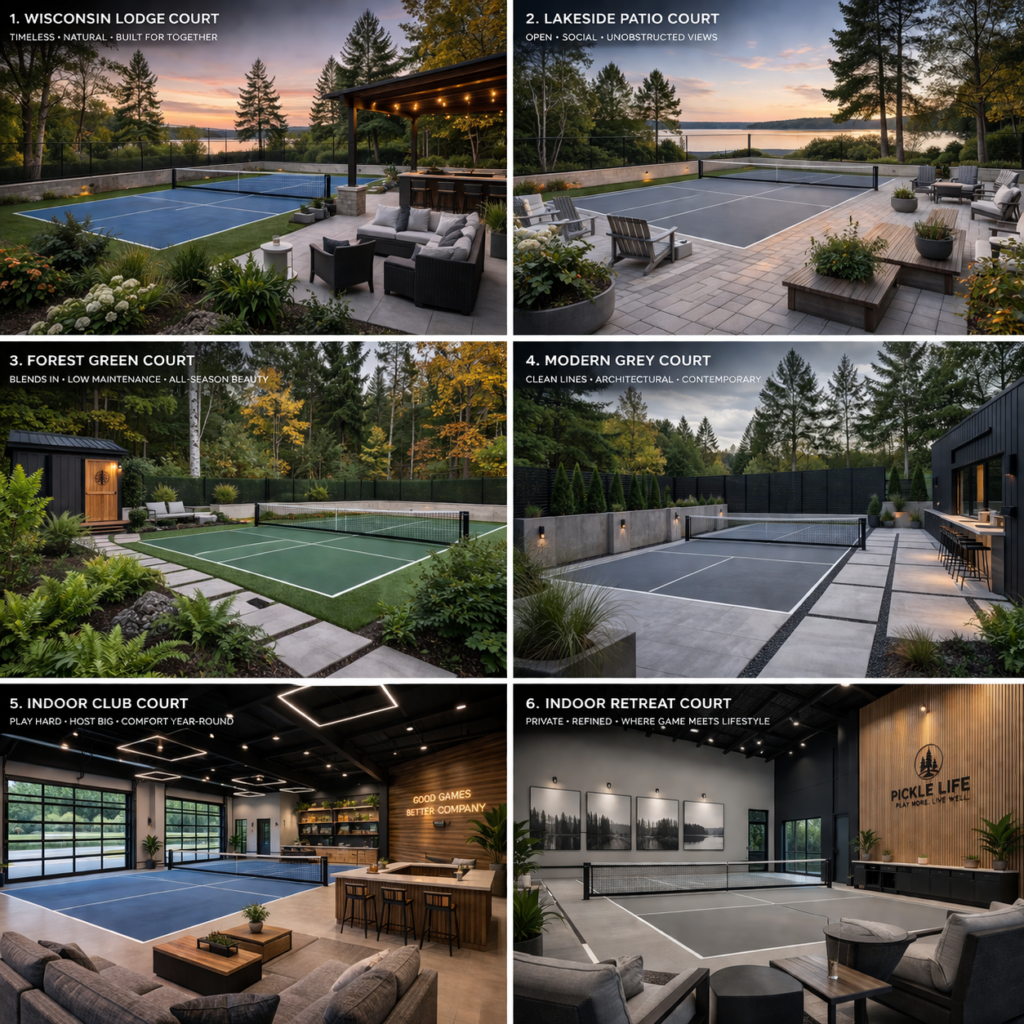
OUR APPROACH
How We Build Pickleball Courts
At Premier Turf & Greens, we approach each project as a complete system.
We focus on:
- site-specific design
- engineered base construction
- drainage-first planning
- precision installation
- long-term performance
👉 Our goal is simple:
To build courts that play correctly, drain properly, and last for years
Pickleball Court Construction FAQs
What is the best base for a pickleball court?
A layered system with drainage, structural base, and proper surface installation provides the best long-term performance.
How much slope should a pickleball court have?
Approximately 0.8% to 1% slope is recommended to allow drainage without affecting play.
Can a court be built on a sloped yard?
Yes. This often requires grading and retaining walls but can result in a high-end finished project.
What causes pickleball courts to crack?
Improper base construction, poor drainage, and environmental factors like freeze and thaw cycles.
How long should a pickleball court last?
With proper construction and maintenance, a court can perform well for many years.
The Premier Advantage
Why Premier Turf & Greens
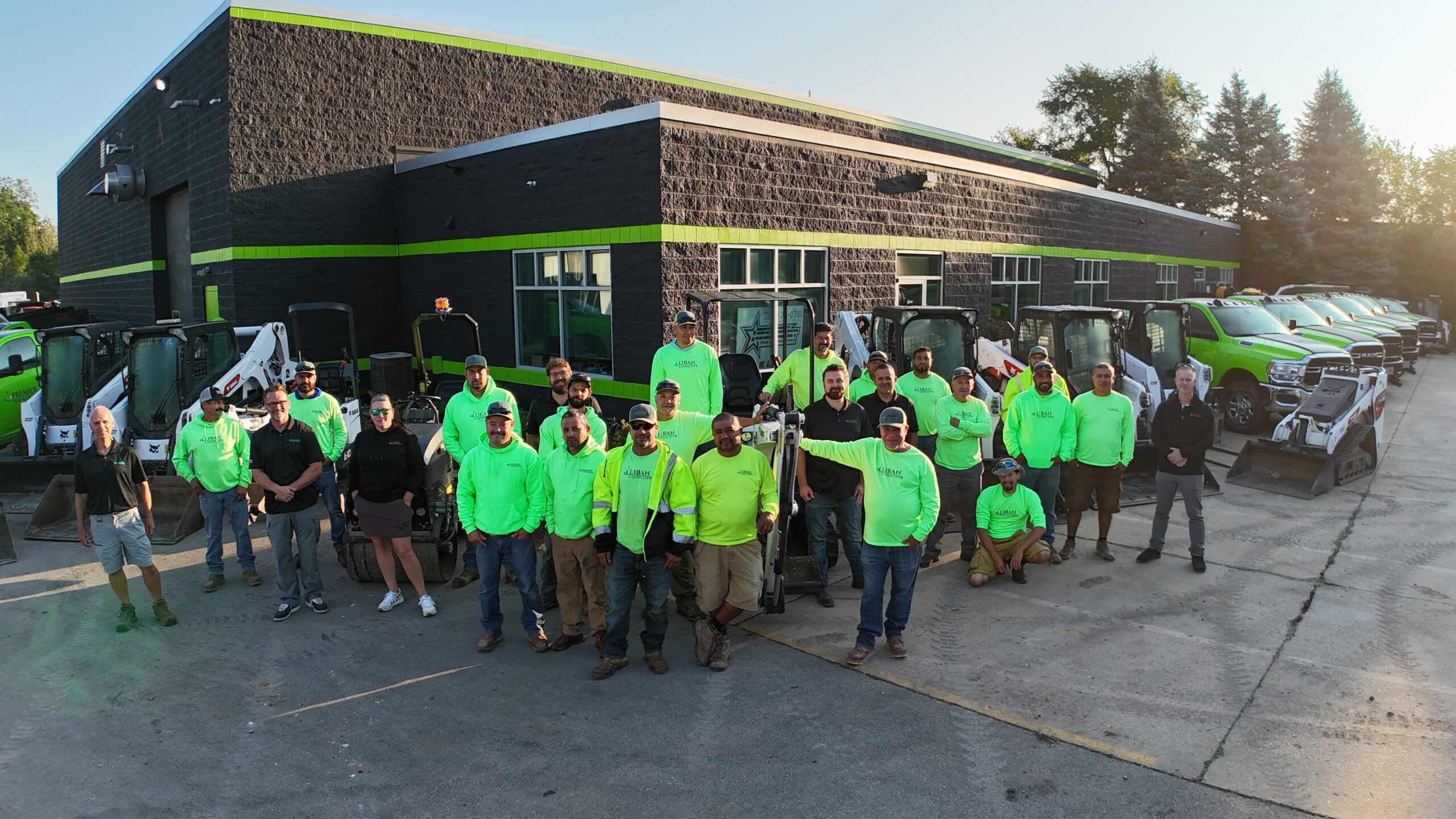
We approach these projects differently. We are not just sport court installers. We are outdoor environment builders.
What Sets Us Apart
- 50+ years of outdoor construction experience
- Deep expertise in grading and drainage
- Ability to integrate courts into luxury landscapes
- Focus on both performance and aesthetics
- Proven results in high-end residential projects
⭐ Featured Testimonial
“This space completely transformed our home.”
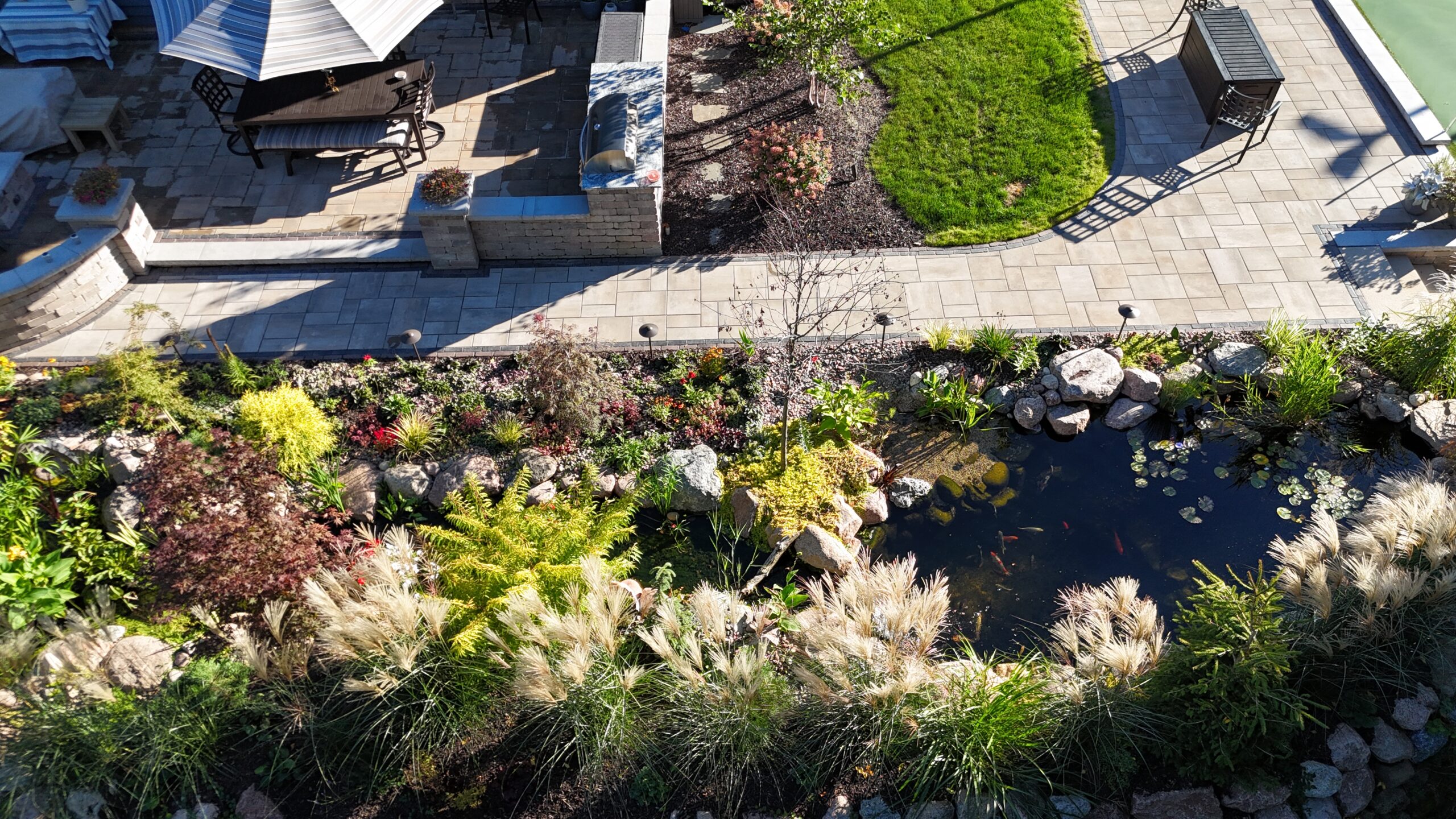
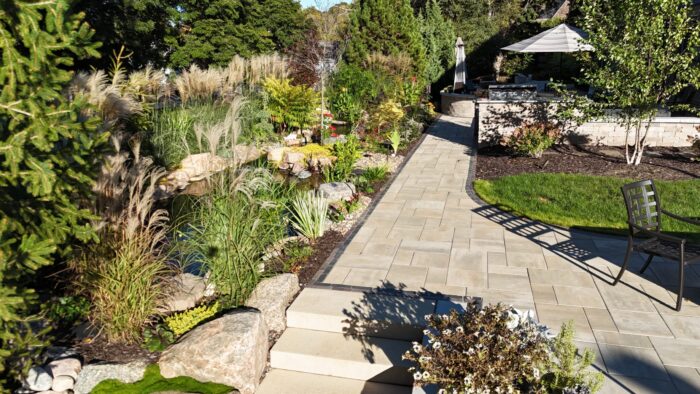
Back in 2023, Liban Landscape replaced our deck with a beautiful paver patio and walkway, creating an incredible space to entertain and relax around the fire. They even ran a gas line so we could enjoy a fire table and grill without the hassle of propane tanks.
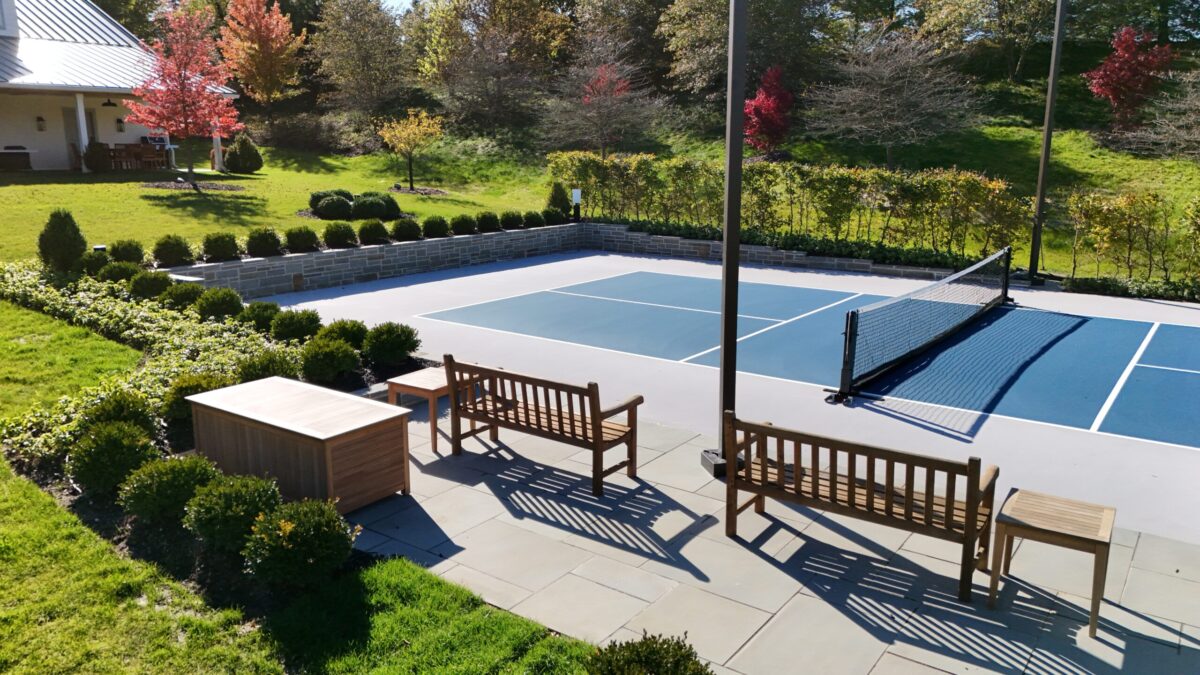
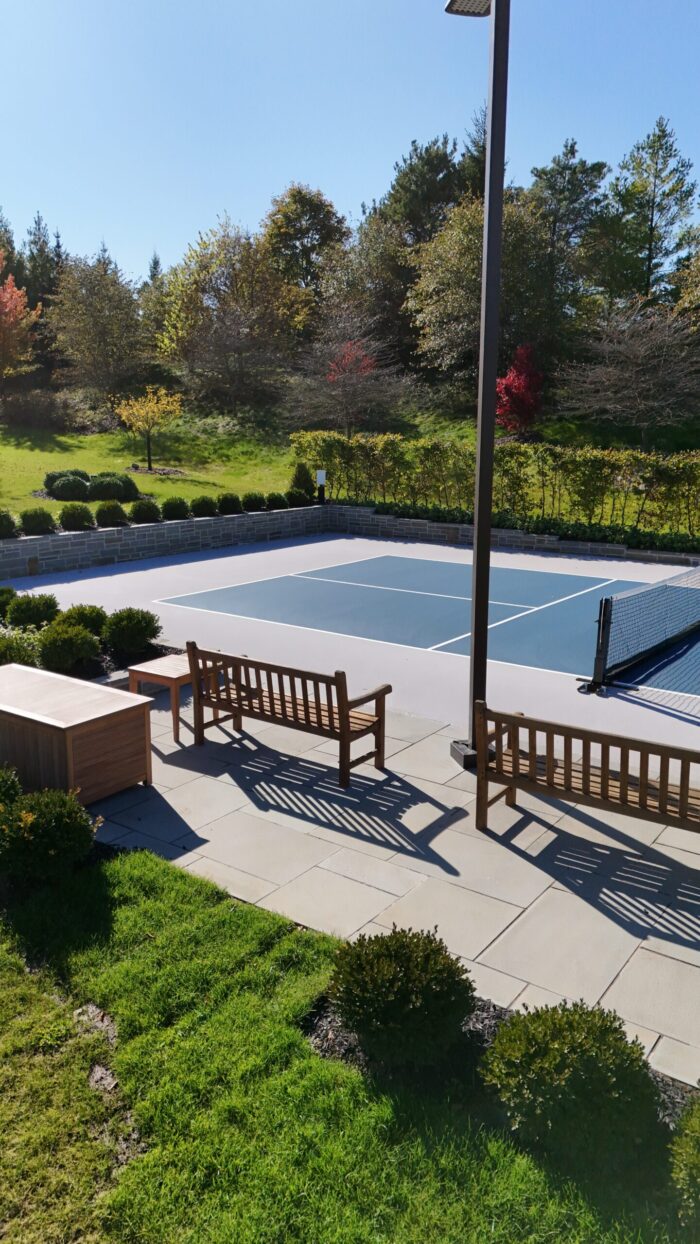
In 2024, they took it to another level with a pickleball court on the side of our house. While the court is the centerpiece, the “heckler’s patio” next to it has become just as popular, with seating and another fire feature where friends and family gather.
They also built a stunning 30-inch stone wall around the court that fits the space perfectly and keeps balls contained, which means more time playing and less time chasing.
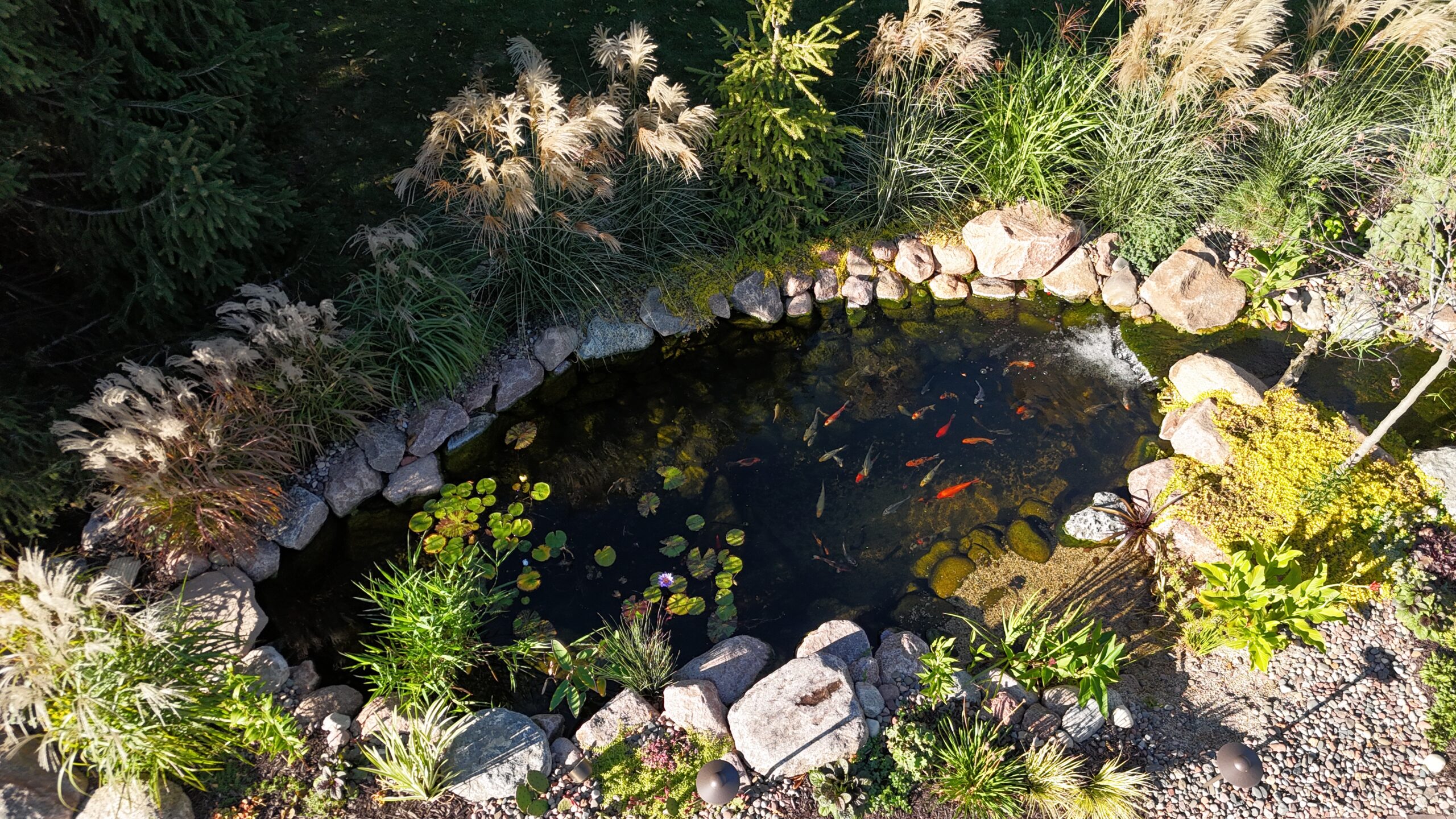
To top it all off, they added a beautiful koi pond with a waterfall. Our family loves it, especially hearing the water at night.
Someone recently asked if we would sell our home for the right price. Two years ago, maybe. Now, absolutely not. We love this space way too much to leave.
— Jennifer Boldt
Build It Right From The Ground Up
The performance of your pickleball court depends on how it is built — not just how it looks.
If you are planning a pickleball court, make sure the foundation is done correctly from the start.
👉 Contact Premier Turf & Greens to start planning your project